

 See My Latest Article on HelloNation
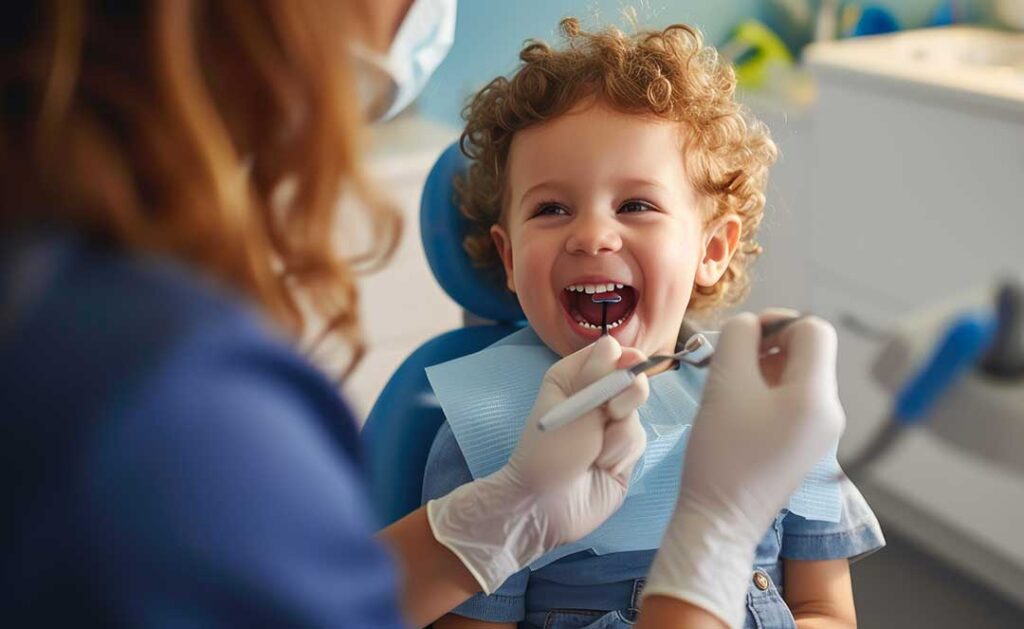
How Can Parents in Watertown, NY Teach Kids to Brush Properly?
Teaching children how to brush their teeth is a skill that benefits them for life. In Watertown, NY, parents can confidently guide their kids using simple steps designed for local family routines. The most effective approach breaks down the process, making it understandable and fun for children growing up in the area’s mix of homes, schools, and seasonal schedules.
Step-by-Step Guide to Brushing for Kids
1. Choose the Right Toothbrush and Toothpaste
For most local households, pick a soft-bristled brush with a small head. Children under six should use a rice-grain-sized smear of fluoride toothpaste; older kids can use a pea-sized amount.
2. Start With a Routine
Consistency is key. Encourage children to brush twice daily: once after breakfast and once before bed. Create a routine that fits with the school and activity schedules common in Watertown. Brushing before bed is particularly important as evening snacks and winter cocoa can leave residue that sits overnight.
3. Proper Positioning
Guide your child to hold the brush at a slight angle (about 45 degrees) toward the gumline. For young children, parents may need to do most of the brushing until children are coordinated enough to do it thoroughly themselves, usually around age 7 or 8.
4. Brush All Surfaces
Teach kids to brush every part of every tooth:
- Outer surfaces (facing cheeks/lips)
- Inner surfaces (facing tongue)
- Chewing surfaces
Move gently in small circles to prevent gum irritation, which can be more common in colder weather when tissues are dry.
5. Don’t Forget the Gums and Tongue
Parents may overlook the gumline and tongue, but brushing these gently can help with fresh breath and remove more bacteria.
6. Two-Minute Rule
Local families may benefit from using a timer or an upbeat song lasting two minutes—long enough to reach all surfaces but short enough to keep young attention. Some families time this with their evening routines or after dinner during the long winter nights.
7. Rinsing and Checking
Teach children to spit out excess toothpaste rather than rinsing thoroughly with water, so fluoride can continue to protect their teeth.
Why Is Supervision Necessary For Younger Children?
Young children, even in attentive homes across Watertown, need supervision to develop good brushing habits. This ensures teeth are actually cleaned and helps prevent accidental swallowing of toothpaste.
Adults should do the brushing for children under age 6 and assist or supervise until children demonstrate consistent skill. Watching in the mirror together or using a reward chart can make this feel like a team effort.
How Much Toothpaste Should Kids in This Area Use?
The amount of toothpaste depends on age. For those under 3 years, use a smear as small as a grain of rice. Older children—typically those brushing on their own—should use a pea-sized amount. This is especially important locally, since municipal water may or may not have added fluoride; too much toothpaste increases the risk of fluorosis if swallowed regularly during the early years.
What Are Common Toothbrushing Mistakes to Watch For?
Even local kids with regular routines can develop habits that reduce brushing effectiveness. The most frequent errors include:
- Brushing too quickly—many spend less than a minute
- Missing the back teeth, especially upper molars
- Using hard pressure, which may cause gum soreness or even receding gums
- Not replacing the toothbrush every three months, or after illness
Caregivers should periodically inspect the bristles and help children refresh their supplies seasonally, as the city’s winters and school calendars offer natural reminders to switch brushes.
Are Electronic Toothbrushes a Good Choice for Local Families?
Electric toothbrushes can be appealing for children who resist brushing or struggle with technique—especially given the area’s long winters, during which indoor routines can become repetitive. While not necessary, electric varieties can help some children reach the two-minute mark and cover more tooth surfaces. They may also provide built-in timers. As always, choose a gentle model with a small, child-sized head and supervise use.
How Do Seasonal Factors in Watertown Affect Kids’ Brushing?
Changes in seasons affect daily life throughout the city. Winter’s indoor heating can dry out mouths and gums, making gentle brushing even more important. Frequent hot drinks and comfort foods can increase sticky residue. Encourage rinsing after sweet or starchy snacks and remind children to brush after evenings spent inside with snacks or treats.
During summer, outdoor activities and sports may lead to on-the-go meals or skipped routines. Keep travel toothbrushes or age-appropriate flossers handy for days at the park or family outings.
How Can You Make Brushing Fun and Engaging for Kids?
Turning toothbrushing into an enjoyable routine helps busy families within Watertown set healthy lifelong habits. Try these ideas:
- Use child-friendly toothbrushes featuring bright colors or favorite characters
- Play local radio or a favorite tune to time the brushing session
- Track progress on a sticker chart, rewarding consistency (not with sweets)
- Let older kids “teach” younger siblings the proper technique
Small, positive rituals help fit brushing into mornings before school or calming winter evening routines.
Can Poor Brushing Lead to Bigger Problems for Kids in the Community?
Regular, thorough brushing is the first defense against cavities—a common concern for families in the city, regardless of water source or diet. Poor technique or irregular habits can lead to plaque buildup, gum inflammation, and dental pain. Untreated issues may cause missed school days or discomfort during local sports and outdoor activities. Helping kids master brushing supports not just their smiles, but broader health and participation in community life.