

 See My Latest Article on HelloNation
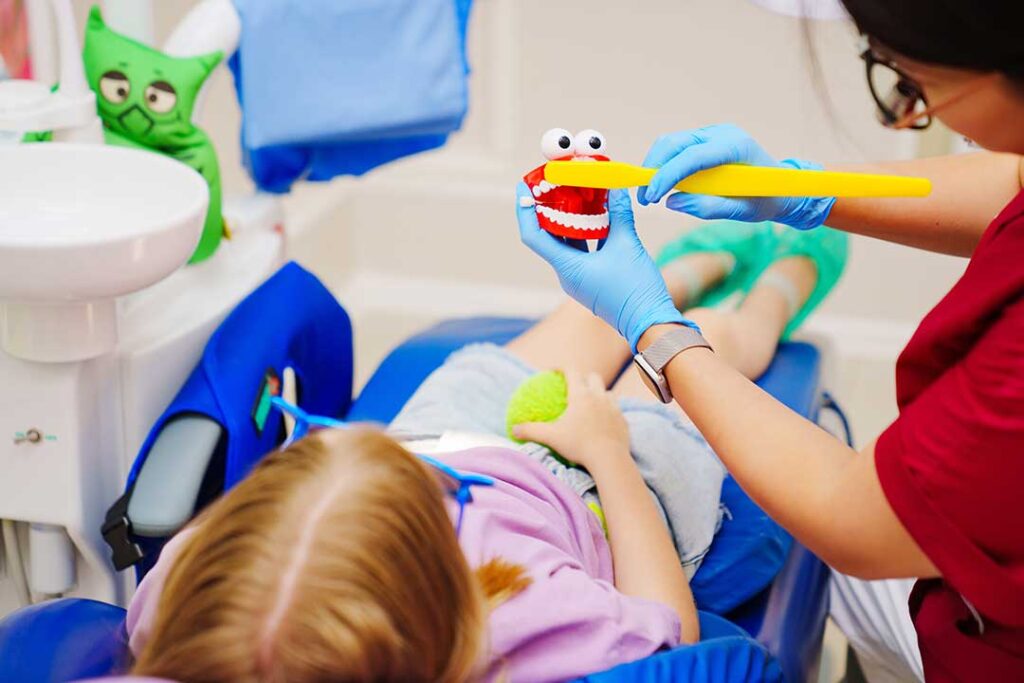
What Causes Cavities in Children?
Cavities happen when the hard surface of a tooth breaks down due to acids. The process starts when bacteria living in the mouth feed on sugars from food and drinks. These bacteria release acid as a waste product, which can slowly erode tooth enamel.
In the climate and daily routines of Watertown, local children often enjoy a blend of indoor and outdoor activities, making snack habits and dental care patterns especially important.
How Does Sugar Increase Cavity Risk?
Sugar does not directly create holes in teeth, but it fuels the bacteria that do. When sugar is present in the mouth—whether from snacks, sweetened drinks, or even starchy foods that break down into simple sugars—bacteria consume it and turn it into acid. This acid then slowly dissolves minerals from the outer surface of a child’s teeth.
Common examples include:
- Juices often packed in school lunches
- Sweetened cereals eaten before catching the bus
- Occasional candy from sports or group activities
The more often teeth are bathed in sugar, the more acid is produced, leading to a higher risk for tooth decay.
Are All Sugars Equally Harmful for Teeth?
All sugars can contribute to cavities, but some forms pose a greater risk. Sticky, chewy, or processed sugars linger longer on the teeth, giving bacteria more opportunity to work. For example, a handful of sticky dried fruit or a chewy granola bar can be more harmful than a quick sip of chocolate milk.
Natural sugars found in fruit are less risky when the fruit is whole and eaten as part of a meal, rather than as juice or a processed snack. Watertown families may find that local seasonal fruit is widely available during warmer months—fresh apples, for instance, are less damaging compared to frequent juice boxes.
What Habits Make Sugar Worse for Teeth?
It’s not just how much sugar children eat, but also how and when they eat it. Having sugary foods or drinks frequently between meals—sometimes called grazing—means teeth are exposed to acid over and over throughout the day.
Common dental habits in many Watertown households include:
- Keeping sports drinks or juice packs on hand for kids’ winter hockey practices or summer soccer
- Sharing family-sized snacks during community events
- Enjoying hot chocolate to warm up during cold months
Sipping or snacking between meals, even on seemingly small amounts, allows bacteria to keep producing damaging acids for hours at a time.
Does Good Oral Hygiene Erase the Effects of Sugar?
Brushing and flossing can help reduce the risk of cavities but do not fully offset frequent sugar exposure. Fluoride in toothpaste helps strengthen tooth enamel, making it harder for acid to do harm. However, if children eat sugar repeatedly throughout the day, brushing twice daily may not be enough to counteract the continual acid attacks.
Local water in Watertown is fluoridated according to public health guidelines, which provides some protection to residents. Still, daily habits matter most.
What Are the Signs That a Child May Have Cavities?
Cavities can be difficult to spot in their early stages. Children rarely notice pain until decay is advanced. Some signs to watch for include:
- Complaints of tooth sensitivity to cold or sweet foods
- Visible holes or dark spots on teeth
- Avoidance of chewing on one side of the mouth
- Reluctance to eat certain foods
Most young children will not mention symptoms, making regular routine dental checkups valuable for early identification—especially for families busy with school-year activities or winter sports.

Are There Safer Ways for Kids to Enjoy Sweet Treats?
Treats and special snacks are part of life, especially during Watertown’s seasonal festivities and family gatherings. Moderation and timing can make a significant difference:
- Offer sweets with meals, not as snacks, so saliva can help dilute acids
- Choose whole fruits over sticky candies or fruit snacks
- Encourage rinsing the mouth with water after sweets if brushing isn’t possible
Teaching children to enjoy treats as occasional, planned parts of meals helps prevent continual acid exposure.
What Are Common Misconceptions About Sugar and Cavities?
Several myths sometimes persist locally:
- “Natural sugar isn’t as bad as added sugar.” In reality, both types feed cavity-causing bacteria.
- “No pain means no cavity.” Cavities often start forming long before any discomfort is felt.
- “Drinking juice is better than soda.” While juice contains vitamins, it also provides sugar that harms teeth when consumed frequently.
Understanding these realities can help families in Watertown make informed choices about snacks and regular routines.
How Can Families in Watertown Build Healthy Habits Around Sugar?
Families do not need to eliminate all sweets to prevent cavities. Making small, consistent changes in shopping, meal planning, and snacking patterns can help:
- Reduce the amount and frequency of sugary snacks at home
- Encourage children to drink tap water between meals
- Make brushing and flossing a daily, supervised part of morning and bedtime routines
Awareness of local resources, seasonal foods, and community wellness events can also support healthier habits for area children.