

 See My Latest Article on HelloNation
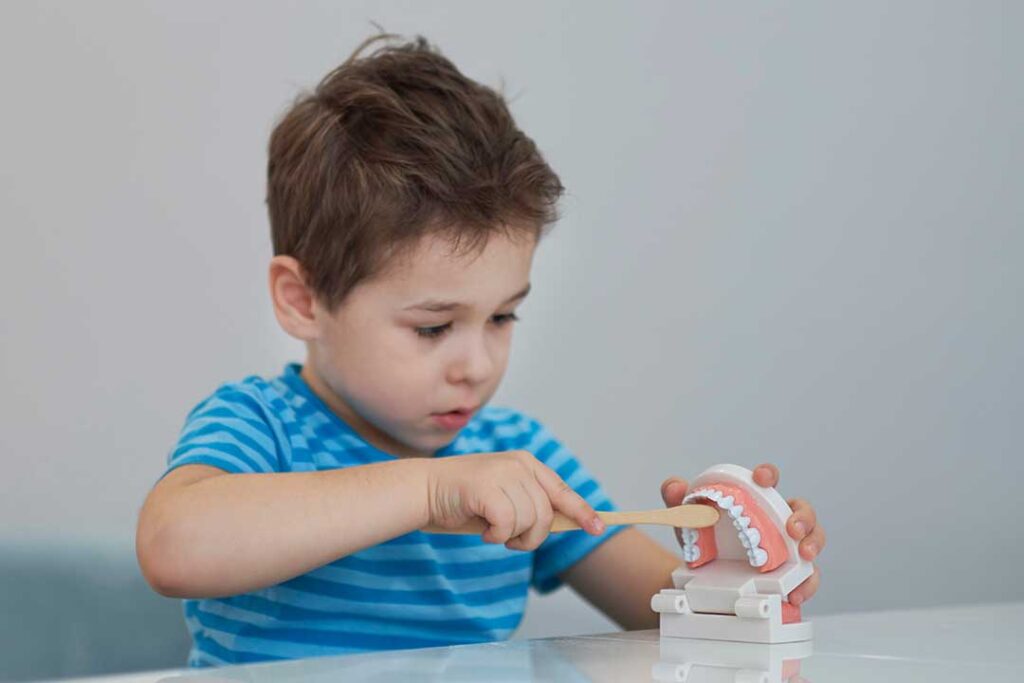
How Can Games and Play Turn Toothbrushing Into a Positive Routine?
Games and playful experiences help transform daily dental care from a chore into an anticipated part of a child's routine. In the city’s diverse households, families with children often face resistance to toothbrushing. Simple games not only distract from any reluctance but actively teach correct technique and timing.
Some practical ideas include:
- Using a kitchen timer, favorite song, or short playlist to mark out two minutes for brushing—making the process feel like a race or challenge.
- Turning toothbrushing into a “copycat” game, where an adult demonstrates brushing in slow, exaggerated motions and encourages the child to mirror them.
- Creating a sticker chart or simple calendar where kids color in a tooth or place a sticker after every successful brush, helping them visualize consistent care.
Especially during long winter evenings or busy school mornings in Watertown, a little creativity can keep kids engaged, even when routines feel repetitive.
What Are Some Hands-On Activities to Explain Why Dental Care Matters?
Children are more likely to develop good habits if they understand the reasons behind them. Sensory activities and demonstrations work well in homes and classrooms throughout the city.
Residents can try:
- The “Eggshell Experiment”: Submerge a hard-boiled egg (shell on) in a dark soda or juice overnight to show how sugary drinks stain “enamel.” Brushing the egg with a toothbrush demonstrates cleaning effects—a memorable visual.
- A mirror check: After brushing together, look in the mirror at any lingering “sugar bugs” (plaque). Colored disclosing tablets from local pharmacies can safely highlight spots kids may have missed.
- Building a model mouth with playdough and practicing flossing with string between “teeth” (marshmallows or modeling clay). This develops both dexterity and understanding.
These activities answer frequent questions children have about “why” dental care is necessary, using concrete, age-appropriate examples.
Which Community Resources Support Kids’ Dental Health Education?
Several public institutions in Watertown run health programs that include dental education, particularly in schools and libraries. Local families can encounter themed story hours about teeth, craft days with tooth-related projects, and health fairs where volunteers offer oral hygiene tips.
In school settings, lessons may involve:
- Group brushing demonstrations with puppet helpers.
- Dental health coloring sheets and reading materials distributed during National Children’s Dental Health Month.
- Participation in regional children’s health fairs with interactive displays.
Outside the classroom, Watertown’s public library branches sometimes provide dental-themed storybooks and craft supplies—an easy way for families to keep conversations going at home.
How Can Seasonal Changes Affect Children’s Dental Routines?
Due to the long, cold winters and varied school calendars in the city, families may find routines disrupted by snow days, holiday events, or schedule changes. It’s common for children to forget brushing during weekends, vacations, or busy mornings.
To keep habits steady despite seasonal changes:
- Place dental care supplies in visible, easy-to-reach spots—even setting up a “brushing station” near the kitchen if needed on hectic days.
- Tie brushing routines to other non-negotiable activities, like breakfast and bedtime, to reinforce consistency regardless of other changes.
- Use seasonal themes—decorate a chart with snowflakes, autumn leaves, or spring flowers to increase excitement around maintaining habits throughout the year.
What Mistakes Can Parents Accidentally Make, and How Can They Be Avoided?
Even with the best intentions, families sometimes adopt habits that don’t serve children’s long-term dental health. Some common misconceptions include:
- Allowing children to brush unsupervised before age seven or eight, which is often too early for sufficient technique.
- Assuming adults’ toothpaste is fine for young children; too much fluoride for very young kids can cause mild enamel spots.
- Using sweets or sugary drinks as incentives for brushing, which can send mixed signals.
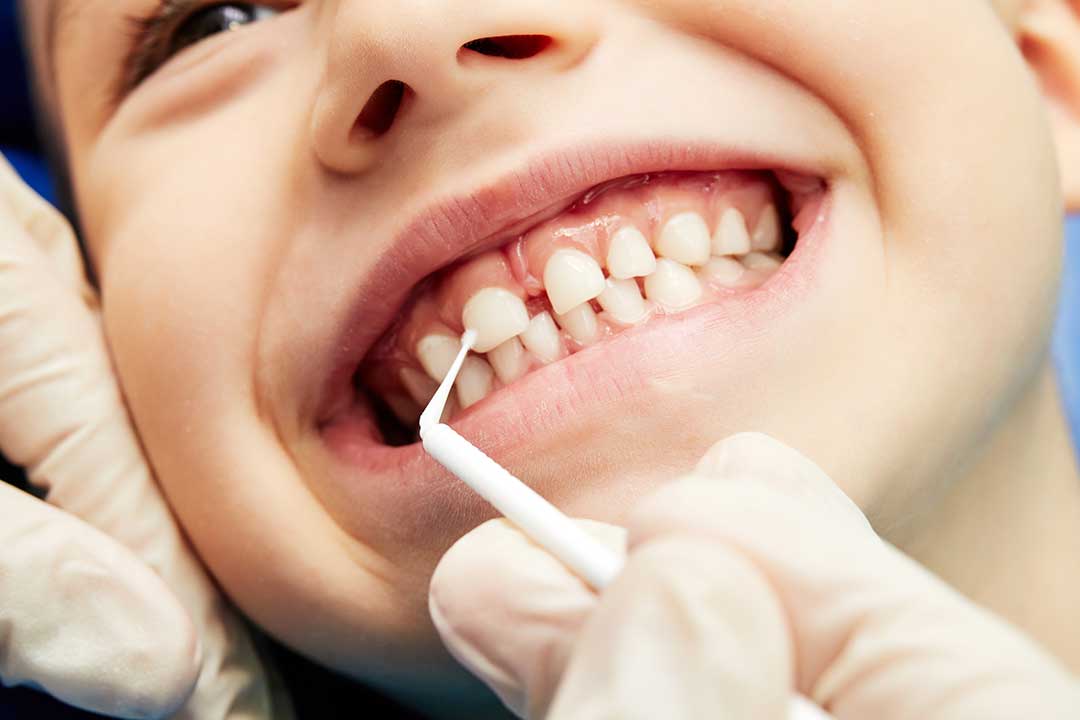
Instead:
- Provide age-appropriate brushes and toothpaste.
- Supervise brushing and flossing until hand skills are developed.
- Offer non-food rewards for routines, such as storytime, extra play, or choosing a bedtime song.
Awareness of these points can help area households foster effective behaviors from the start.
What If a Child is Reluctant or Sensitive About Oral Care?
Some children, especially those with sensory sensitivities or past dental anxiety, strongly resist brushing, flossing, or dental visits. This is a common concern throughout the community.
Strategies for easing reluctance include:
- Letting the child pick out a toothbrush with their preferred color or character.
- Experimenting with different toothpaste flavors to find one that's tolerable.
- Making up silly songs or stories about the “tooth superheroes” at work.
- Gradually introducing dental habits by “practicing” on dolls, stuffed animals, or family members first.
If oral sensitivity or fear persists and interferes with daily care, caregivers may consult with a family doctor or pediatrician for additional strategies that support comfort and cooperation.
How Can Families Celebrate Progress and Motivate Kids Over Time?
Building any lifelong habit takes encouragement and positive reinforcement. Recognizing consistent dental care, even in small ways, boosts confidence.
Area households can:
- Mark milestones—a full week or month of routine care—with an outing, favorite meal, or new bedtime story.
- Create a family “smile wall” with photos or drawings recognizing everyone’s efforts.
- Share progress with teachers, family members, or friends to reinforce pride in newfound skills.
These simple celebrations turn daily routines into opportunities for connection, support, and the kind of healthy habits that last.