
 See My Latest Article on HelloNation

How are Oral Health and Speech Development Connected?
Children’s dental health goes beyond clean teeth—it’s closely connected to how children learn to speak. Developing clear and confident speech relies on having healthy teeth, gums, and jaws. Local families often wonder if dental issues could delay or change their child’s speech patterns, especially during the early years when most speech skills are shaped. Evidence shows there is a strong relationship between oral health and communication abilities in children.
Speech sounds are made by moving the tongue, lips, teeth, and palate together in precise ways. Issues such as cavities, missing teeth, gum disease, or jaw misalignment can limit how these parts move or interact. These conditions may make it hard for children to form certain sounds clearly, which can lead to speech delays or differences.
What Dental Problems Can Affect Speech in Local Children?
Dental problems that impact speech vary, but some are more common in the region’s children. Cold winters and changes in eating habits can add risks, especially as many households serve more soft, warm foods during the colder months, which may promote plaque or cavities.
The most common dental health issues that affect speech include:
- Untreated cavities, especially in the upper or front teeth
- Early loss of baby teeth due to decay or injury
- Prolonged sucking habits (thumb, pacifier) leading to misaligned teeth
- Tight or thick lip/tongue ties (frenum issues)
- Gum disease, even in childhood, causing swelling or discomfort
For example, losing front teeth too early can make it difficult for a child to pronounce "f," "v," "th," or "s" clearly. Severe tooth decay can also cause children to avoid moving their mouths fully, cutting off airflow or tongue motion needed for certain sounds.
Are All Speech Delays Caused by Dental Health Problems?
Most speech delays are not caused by oral health alone. Many factors influence speech development—such as hearing, neurological growth, and social interaction. However, local parents sometimes overlook the mouth’s physical health as a factor.
If a child is struggling with certain sounds long after peers have mastered them, or is hard to understand even at home, dental health is worth exploring alongside other developmental aspects.
Speech-language pathologists typically include a basic oral screening as part of their evaluation. Collaboration between medical and dental care is essential for children whose speech development is slower than expected. Not every minor dental problem will impact speech, but some clearly can, especially when combined with other risk factors.
What Signs Might Indicate a Connection Between Dental Health and Speech?
Residents will notice some specific clues that suggest oral health may be influencing a child’s speech clarity or confidence. Common signs include:
- Slurring or whistling sounds when talking
- Frequently substituting one sound for another (like “th” instead of “s”)
- Avoidance of speaking, especially in groups
- Complaints about pain or discomfort when using certain words
- Changes in speech following tooth loss, dental injury, or oral procedures
It’s also possible to see new speech difficulties after a winter fall or accident that affects a child’s mouth, as local playgrounds and sidewalks can become icy.
Can Preventative Dental Care Support Healthy Speech?
Preventive dental habits are one of the most effective ways for families in the area to help children build both strong teeth and clear speech. Simple routines make a significant difference:
- Brushing and flossing daily to prevent cavities and gum disease
- Monitoring the loss of baby teeth and noting whether adult teeth erupt normally
- Minimizing juice, sweetened drinks, or sticky snacks that increase decay risk
- Encouraging children to drink tap water, which contains beneficial fluoride
- Limiting pacifier use and discouraging thumb-sucking beyond age 3
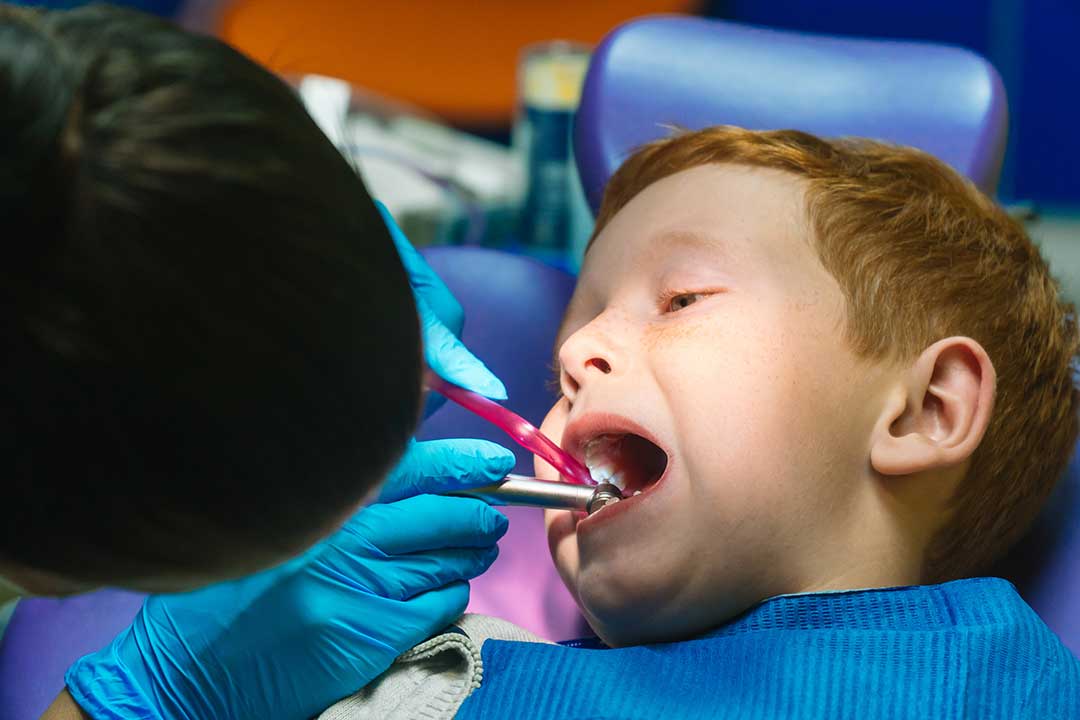
In some cases, orthodontic evaluation may be needed if teeth are significantly misaligned, which is more common in older children. Regular routines at home, paired with routine check-ups, help address issues early—often before they interfere with speech.
How Can Local Schools and Families Work Together?
Schools throughout Watertown are attuned to signs of both dental and speech needs, especially in early elementary years. Teachers and school nurses often coordinate with families if they notice a child struggling to be understood. Dental screenings offered at school or through community programs can detect issues, and awareness programs encourage children to care for their mouths.
It’s helpful for families to communicate openly with educators about any dental treatments or changes at home, so support can be better tailored to each child.
What Are Common Misconceptions About Teeth and Talking?
Several myths may prevent families from seeking practical solutions. For example:
- Believing that baby teeth “don’t matter” for speech, since they’ll fall out. In reality, healthy baby teeth guide the placement and timing of adult teeth, and missing or decayed teeth at any age can affect talking.
- Thinking that “lisping” or slurred sounds will always resolve on their own. Sometimes speech patterns can improve naturally, but persistent difficulties may mean support is needed.
- Assuming mouth discomfort or jaw issues are normal for growing children. Prolonged pain or changes in how a child speaks should be explored further.
Correcting these misconceptions supports both clear communication and confidence for local children.
What Should Caregivers Watch for as Children Grow?
Every child’s development is unique, but caregivers can keep track of some key milestones and concerns. Most children can pronounce most sounds by age 6 or 7. New difficulties, dribbling, painful chewing, or changes after tooth loss should be discussed with a health professional.
Having open conversations with children about how their mouth feels—and watching for any speech changes after dental problems or accidents—can help catch concerns early.
Practical support and prevention go hand-in-hand: local families who prioritize daily oral hygiene and stay aware of speech milestones give children the best chance to thrive both in health and communication skills.