
 See My Latest Article on HelloNation

How Does Dental Health Affect Growing Children Right Here in Watertown, NY?
Good oral health goes beyond preventing cavities—it plays an important role in nearly every aspect of a child's development. In Watertown, NY, where families balance work, school, outdoor play, and seasonal shifts, local parents often wonder how dental care fits into the bigger picture of raising healthy kids. Dental issues that seem minor today can impact nutrition, self-confidence, learning, and long-term well-being.
Why Is Oral Health Linked to Nutrition and Physical Growth?
A healthy mouth allows children to eat a wide range of foods, getting the full benefit of a varied diet. Children with untreated cavities or sensitive teeth often avoid crunchy fruits, raw vegetables, or whole grains, leading to imbalanced nutrition.
- Tooth pain may cause kids to skip meals or limit themselves to softer, less nutritious foods.
- Early loss of baby teeth from decay can affect how adult teeth grow in, sometimes causing alignment or spacing problems—issues that can later require lengthy orthodontic care.
In a climate like Watertown, where farm-fresh produce is seasonally available and winter brings hearty meals, the ability to chew comfortably matters for both health and participation in family traditions.
How Can Dental Health Influence a Child’s Speech and Social Development?
Oral health impacts more than chewing; it affects speaking, smiling, and even making friends. Tooth decay, infections, or missing teeth can impact how sounds are formed, which is critical as children start school and practice reading aloud.
Children in the area who struggle with dental discomfort may also:
- Speak less in class or social situations, fearing embarrassment
- Smile less in group photos or withdraw from playground activities
- Feel self-conscious, which can affect their willingness to participate and learn
Problems with speech and social interaction can be traced in some cases to untreated dental concerns—not just developmental or behavioral factors.
Do Dental Issues Affect School Performance?
Yes. Dental pain or mouth infections can directly impact classroom attendance and focus. In the Watertown community, where school routines and extracurriculars are central to childhood, this issue can fly under the radar.
- Missing school for dental problems is common—yet preventable
- Chronic oral health pain can lead to trouble sleeping, making morning routines and learning more difficult
The consequences are not just academic. Emotional well-being suffers when kids feel “different” or uncomfortable around classmates.
What Are the Local Factors That Influence Child Dental Health?
In cities like Watertown, certain local habits and conditions can make maintaining dental health more challenging:
- Water sources may differ in fluoride content, which affects cavity risk; some households use well water, some have municipal supply
- Cold winters can discourage hydration, but saliva (produced more when kids drink water) helps keep mouths clean
- After-school activities and sports, especially hockey and football, increase the risk of dental injuries and the need for mouthguards
Understanding these community norms and risks helps area families take proactive steps tailored to local life.
What Can Parents Do at Home to Support Both Oral and Overall Child Development?
Daily routines and household practices have a real impact on a child's health and development. Here are some practical measures for local families:
- Keep a consistent brushing and flossing schedule—even when routines change seasonally
- Encourage water over sugary drinks, especially during cold months when children may prefer sweetened warm beverages
- Pack lunches with tooth-friendly options like cheese, yogurt, and crunchy vegetables
- Model positive attitudes toward dental visits to help children feel comfortable with checkups
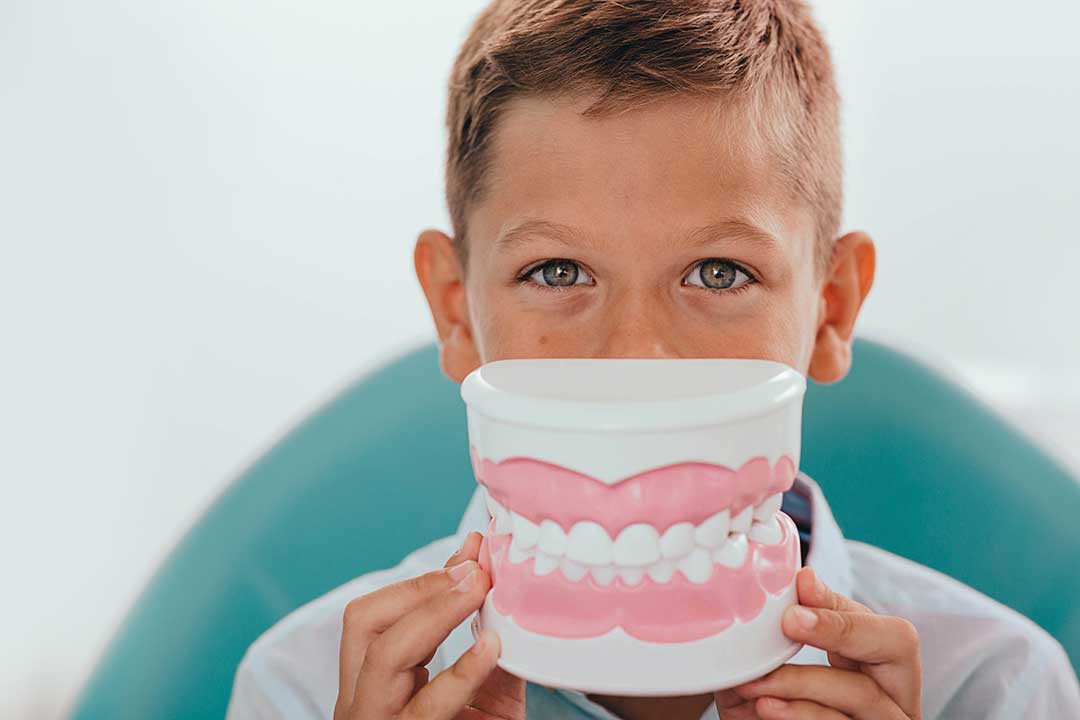
Small actions, layered into local lifestyles, build healthy habits that last through adolescence and beyond.
Are There Overlooked Risks or Common Misconceptions?
Some local families may believe baby teeth don’t matter since they fall out anyway. However, ignoring decay in baby teeth can lead to:
- Infections that spread beyond the mouth
- Early tooth loss, which may change the way adult teeth erupt
- Negative experiences that increase dental anxiety later on
Another common misconception is that only sugar causes cavities. In reality, frequent snacking (even on healthy foods like dried fruit or granola bars) increases cavity risk if teeth aren’t cleaned regularly.
What Signs Should Prompt Immediate Attention?
While routine concerns can be managed at home, certain symptoms in children should never be ignored:
- Persistent mouth pain, swelling, or sores that don’t heal in a few days
- Difficulty eating, speaking, or changes in behavior tied to mouth discomfort
- Bleeding gums unrelated to early brushing in new brushers
Addressing these quickly helps prevent disruptions to nutrition, school, and play.
Why Does Community Awareness Matter?
Knowledge about oral health isn’t just for parents—educators and other caregivers also play a part. Raising awareness in Watertown ensures that more children:
- Have equitable access to preventive care and good information
- Avoid stigma around dental issues
- Benefit from policies (like water fluoridation) that promote healthy teeth for everyone
A community-wide approach supports families in their daily routines and builds a foundation for lifelong health.