

 See My Latest Article on HelloNation
Which snacks are healthiest for children’s teeth?
The best snacks for teeth are generally low in added sugar, not highly acidic, and less likely to cling to enamel. Foods that require chewing or contain protein and calcium can also support a healthier mouth.
Good everyday choices include:
- Cheese or plain yogurt
- Fresh fruits such as apples, pears, berries, and melon
- Crunchy vegetables such as carrots, cucumbers, and celery
- Nuts or seeds for children old enough to eat them safely
- Whole-grain toast with a protein-rich spread
- Hard-boiled eggs
- Plain milk
- Water, especially between meals
These choices are helpful for more than one reason. Cheese and yogurt provide nutrients that support teeth, while firmer fruits and vegetables encourage chewing and saliva production. Saliva helps wash away food particles and neutralize acids that can weaken enamel.
Fresh fruit does contain natural sugar, but it is usually less harmful to teeth than juice or dried fruit because fresh fruit contains water and does not remain concentrated on the teeth for as long.
Why does snack frequency matter?
How often a child eats can matter almost as much as what the child eats. Each time sugar or easily digested starch enters the mouth, bacteria in dental plaque can produce acids. Repeated acid exposure gives enamel less time to recover.
A child who grazes on small snacks throughout the day may experience more acid attacks than a child who eats a planned snack with a meal or at a defined time.
Helpful habits include:
- Offer snacks at predictable times rather than allowing constant nibbling.
- Serve water between meals and snacks.
- Keep sweet foods with a meal instead of offering them repeatedly throughout the day.
- Allow time between eating occasions so saliva can help restore the mouth’s natural balance.
- Brush twice daily with fluoride toothpaste and clean between teeth as appropriate for the child’s age.
This pattern can be especially useful during long winter days in Watertown, when children may spend more time indoors and have easier access to pantry snacks.
Which snacks are hardest on teeth?
The worst choices are often sticky, sugary, frequently consumed, or highly acidic. A food does not need to taste extremely sweet to contribute to tooth decay. Some crackers, snack bars, and refined starches break down into sugars that plaque bacteria can use.
Examples that deserve limits include:
- Fruit snacks, fruit leather, and gummy candies
- Caramels, taffy, chewy candy, and other sticky sweets
- Cookies, snack cakes, and frosted cereal bars
- Sweetened cereal eaten as a dry snack
- Crackers or chips that cling to grooves in the teeth
- Sweetened yogurt and flavored dairy drinks
- Soda, sports drinks, sweet tea, fruit drinks, and lemonade
- Frequent servings of juice or smoothies
- Sour candies and sour-coated snacks
Sticky foods can remain in the grooves between teeth or along the gumline. Sour candies create an additional concern because their acids can directly contribute to enamel erosion. Sugary beverages are also problematic because children may sip them slowly over a long period, exposing teeth again and again.
Are crackers and pretzels better than candy?
Not always. Crackers and pretzels may contain less obvious sugar than candy, but many are made primarily from refined starch. As they soften during chewing, they can break down into sugars and become lodged in the chewing surfaces of back teeth.
That does not mean children must avoid every cracker or pretzel. Portion size, frequency, and what accompanies the snack matter. Serving a starch with cheese, vegetables, or a meal is generally more favorable than allowing a child to snack on starchy foods continuously.
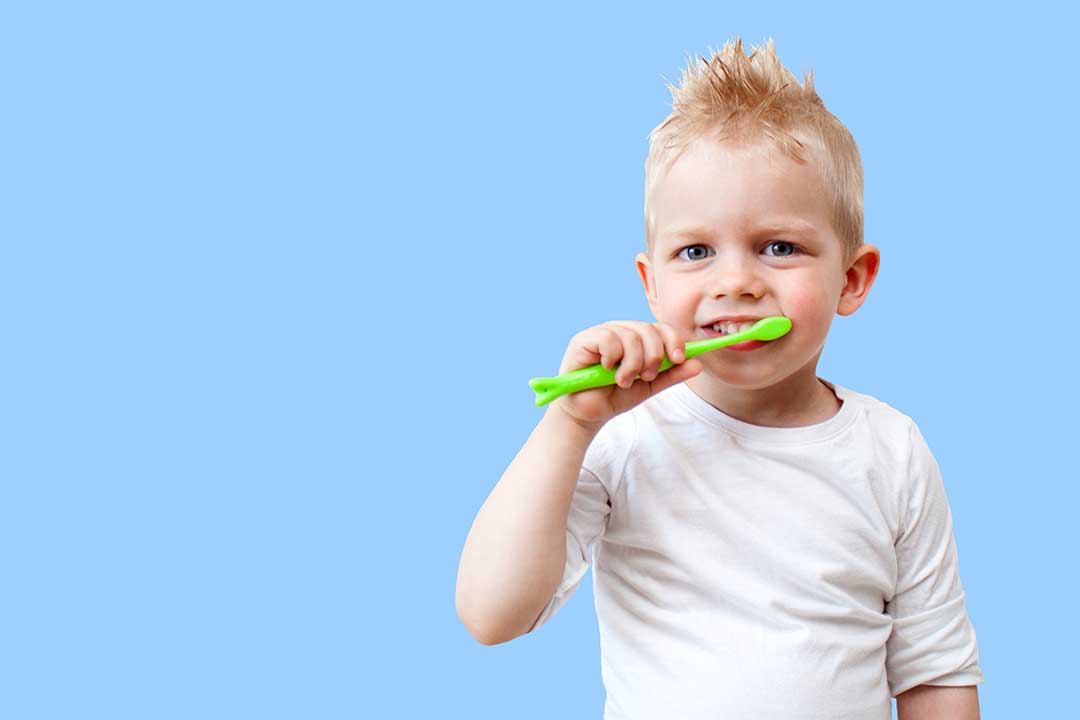
Rinsing with water afterward can help clear food residue. Brushing at the usual scheduled time is better than brushing immediately after acidic foods or drinks, when enamel may temporarily be softened.
Is dried fruit a healthy snack for teeth?
Dried fruit can provide nutrients, but it is more concentrated and often stickier than fresh fruit. Raisins, dried cranberries, fruit strips, and similar foods may adhere to tooth surfaces, particularly in deep grooves or between teeth.
If dried fruit is included, it is usually better to serve it with a meal rather than as a repeated snack. Water afterward can help. Children should not be allowed to carry sticky dried-fruit snacks around for extended periods.
Fresh fruit is usually the simpler tooth-friendly option because it contains more water and tends to clear from the mouth more easily.
Are fruit juice and smoothies harmless?
Juice and smoothies can contain substantial natural sugar, and some prepared versions also contain added sugar. Even without added sugar, frequent exposure to sweet or acidic liquids can increase the risk of decay and enamel wear.
For most children, water should be the routine drink between meals. Plain milk can also fit into a balanced eating pattern. If juice is offered, serving it with a meal is generally preferable to allowing small amounts throughout the day.
Using a cup rather than a bottle for older children can also reduce prolonged contact between sweet liquids and the teeth. For infants and toddlers, falling asleep with a bottle containing milk, formula, juice, or another sweetened liquid can raise the risk of early childhood tooth decay.
What are good snack combinations?
Combining foods can make a snack more filling while reducing the emphasis on sugary or sticky items. Practical combinations include:
- Apple slices with cheese
- Carrot sticks with hummus
- Plain yogurt with fresh berries
- Whole-grain toast with egg
- Cucumber slices with cheese
- Pear slices with a small portion of nut butter, when safe
- Water and a small serving of unsweetened popcorn for children old enough to manage it safely
Supervision matters for younger children. Foods that are hard, round, chewy, or difficult to break apart may present choking risks. A tooth-friendly snack still needs to be appropriate for the child’s age and chewing ability.
Does one sweet snack cause a cavity?
A single treat does not automatically cause a cavity. Tooth decay develops through a combination of factors, including plaque bacteria, sugar and starch exposure, saliva, fluoride, enamel strength, oral hygiene, and how frequently food remains on the teeth.
The more concerning pattern is repeated exposure: sipping sweet drinks, eating sticky foods several times a day, or grazing from morning until bedtime. Families do not need to label every food as completely “good” or “bad.” A more useful approach is to make nutritious, low-sugar snacks the routine and keep sweets occasional and connected to meals.
What should families remember during school and seasonal activities?
School lunches, sports practices, holiday gatherings, and indoor winter activities can all change a child’s eating schedule. Packing water and a snack that combines protein, produce, or dairy can reduce reliance on candy, sweet drinks, and frequent packaged snacks.
After a sugary or sticky food, water is a practical first step. Children should continue their regular fluoride-toothpaste brushing routine, and adults should assist young children who have not yet developed the coordination to brush thoroughly.
If a child has persistent tooth sensitivity, pain while chewing, visible white or brown spots, or repeated difficulty eating, dietary changes alone may not address the problem. Those signs can indicate enamel damage or tooth decay that needs individual evaluation.