
 See My Latest Article on HelloNation

What Are the Early Warning Signs of Dental Issues in Children?
Parents in Watertown, NY often wonder if a minor mouth concern needs urgent attention or can wait for the next routine dental visit. Certain symptoms in children, however, shouldn’t be ignored, as dental problems can progress quickly. Generally, any persistent pain, visible changes, or interference with eating or speaking should prompt local families to take dental health seriously—even if the next regular checkup isn’t soon.
Common early signs that a child may need a dental evaluation include:
- Tooth pain that lingers, especially when chewing or at night
- Swelling or redness in the gums or around the mouth
- Unexplained bleeding when brushing or flossing
- Spots, stains, or holes in teeth
- Bulges or sores on gums
Children experiencing any of these can benefit from a timely dental assessment rather than waiting for a routine visit.
Is Tooth Pain in Children Ever “Normal”?
Some children in the area experience brief tooth sensitivity when eating very cold or hot foods, which might not be a cause for worry. However, persistent or severe dental pain is typically a sign that something is wrong, such as a cavity, infection, or even injury from play or sports. Young children may not always communicate pain clearly—watch for changes in eating, avoidance of certain foods, or complaints at bedtime. In the city, where outdoor sports and recess are common, injuries to the mouth can also cause hidden damage.
Parents should be especially alert if:
- Pain wakes a child at night
- Pain lasts more than a day or two, or becomes worse
- Chewing or brushing triggers discomfort
Pain that interferes with daily activities rarely resolves on its own, and waiting risks larger dental problems.
What Do Changes in Tooth Color or Shape Mean?
Unusual spots, brown or black patches, white streaks, or visible pits in a child’s teeth often signal decay or enamel issues. Sometimes local water supplies have optimal fluoride, but homes using well water or non-fluoridated sources may see more cavity risk. Color changes or pits may also be the first visible sign of decay, particularly on back molars where brushing can be inconsistent.
Watch for:
- Chalky white spots along the gumline
- Lines or grooves developing on teeth
- Stains that can’t be brushed away
Fast attention to these changes can prevent minor decay from becoming a painful, more complicated problem.
How Can Swollen or Bleeding Gums Affect My Child?
Occasional minor bleeding during flossing may happen in kids new to the task. Persistent gum bleeding, swelling, puffiness, or redness, though, isn’t normal. These symptoms can indicate early gum disease, mouth injury, or even a chronic infection. Children who avoid brushing or say it hurts to clean their teeth may be trying to avoid discomfort from underlying gum issues.
Swollen gums in children may also be linked to:
- Early orthodontic problems
- Plaque buildup in hard-to-reach areas
- Reactions to new foods or medications
Timely evaluation helps prevent more complex dental and health concerns.
Are Dental Emergencies Common For Local Children?
Active lifestyles in the community—ranging from playground games to winter sports—mean chipped, cracked, or knocked-out teeth are not unusual. Dental emergencies can also result from cavities that progress unnoticed until infection develops.
Clear emergency signs include:
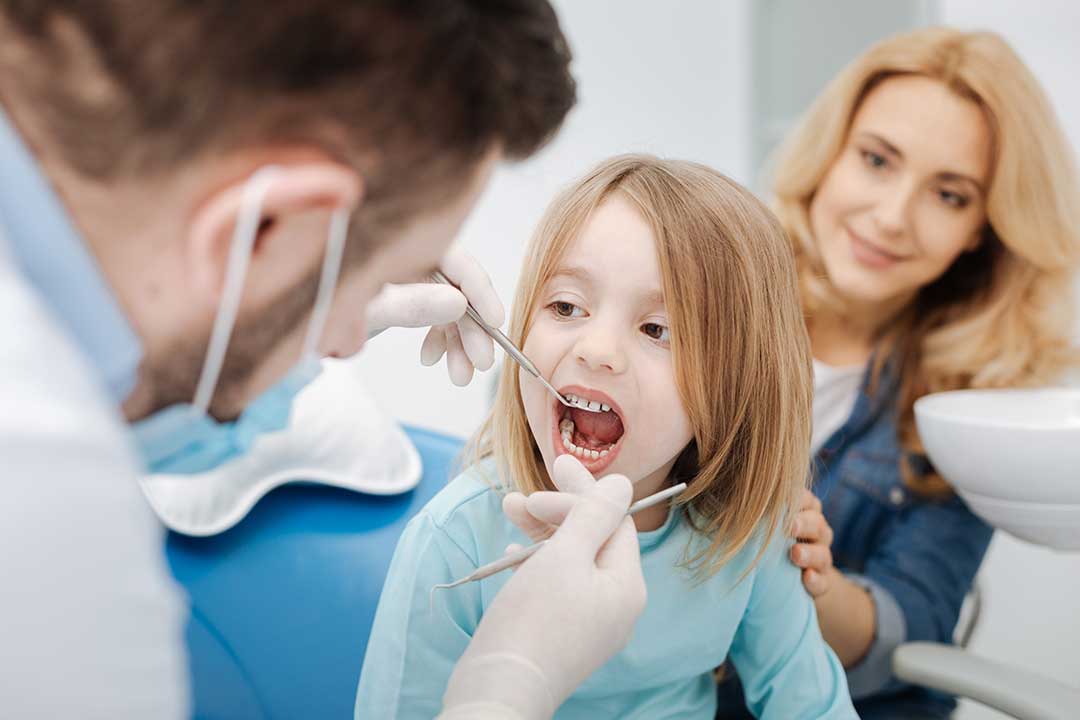
- A tooth broken or knocked out from a fall or accident
- Facial swelling, especially with fever or difficulty swallowing
- Pus or abscesses forming around the gum
Immediate action may be necessary for trauma to the teeth, uncontrolled bleeding, or pain with infection symptoms, as these can escalate quickly.
What Other Behaviors Suggest a Child Needs Dental Attention?
Changes in behavior or eating can be early, overlooked signs of a dental problem. Local households sometimes notice children avoiding crunchy foods, suddenly preferring very soft items, or eating much less than usual. Young children may drool more, pull at their cheeks or mouth, or have trouble sleeping.
Subtler signs of trouble:
- Persistent bad breath unresponsive to regular brushing
- Difficulty speaking or changes in clear pronunciation
- Refusal to let an adult help brush or check teeth
These behavioral clues are often a child’s way of coping with discomfort they can’t easily describe.
Are There Local Factors That Increase Dental Risks?
Households in Watertown often experience seasonal fluctuations in indoor heating and humidity, which can dry out the mouth and affect oral health. Additionally, some families use well water that may not contain added fluoride, which is important for cavity prevention. Indoor winter activities can increase snacking on sugary foods, and long winters mean kids may spend more time indoors with foods that have cavity risk.
Parents should also be aware of:
- Older housing (with possible exposure to lead, which can affect enamel formation)
- Local dietary habits, such as frequent fruit juice or sports drink consumption
- Busy family schedules that can result in rushed or skipped oral hygiene routines
Awareness of these risk factors can help families stay ahead of preventable dental issues.
When Should Families Not Wait for the Next Regular Visit?
If any of the above signs appear—especially persistent pain, visible tooth changes, gum swelling, mouth injury, or infection symptoms—it’s not advisable for families to wait for a scheduled checkup. Addressing dental issues early is much simpler and often less invasive than managing complications down the road.
By recognizing these warning signs and responding promptly, area families help ensure their children’s healthy smiles and comfort, year-round.