

 See My Latest Article on HelloNation
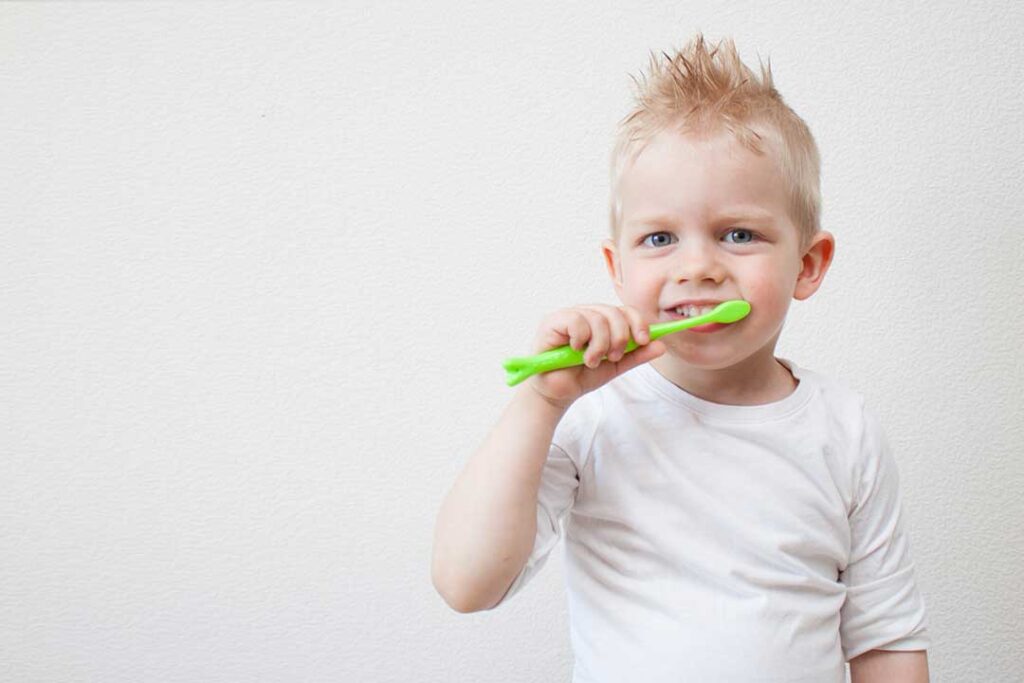
Why can infants and toddlers develop tooth decay?
Infants and toddlers can develop cavities as soon as their first teeth appear. Tooth decay begins when bacteria in the mouth use sugars and starches from drinks and foods to produce acids that weaken tooth enamel.
Baby teeth are smaller and have thinner enamel than adult teeth, so decay can progress quickly. Cavities in primary teeth may cause pain, difficulty eating, sleep disruption, infection, and problems with speech or the spacing of developing permanent teeth.
The risk is not caused by one food or one missed brushing. It usually develops through repeated exposure to sugar, inadequate brushing, limited fluoride protection, or a combination of these factors.
When should oral care begin?
Oral care should begin before the first tooth erupts. Wipe an infant’s gums gently with a clean, damp cloth or use a soft infant toothbrush. This removes residue and helps a baby become comfortable with mouth care.
As soon as the first tooth appears, brush twice daily with a small, soft-bristled toothbrush. Current pediatric dental guidance supports using a smear of fluoridated toothpaste about the size of a grain of rice for children younger than age 3. An adult should apply the toothpaste and perform or closely supervise the brushing.
A first dental visit should occur by the first birthday or within six months of the first tooth appearing, whichever comes first. This early visit is not only for finding cavities. It also allows families to discuss feeding patterns, fluoride exposure, thumb or pacifier habits, and the safest way to clean a child’s teeth.
How much toothpaste should a young child use?
The amount matters because toddlers often swallow toothpaste.
- From the first tooth through age 3: use a thin smear, about the size of a grain of rice.
- Around age 3 through age 6: use a pea-sized amount.
- An adult should place the toothpaste on the brush and supervise brushing.
- Spitting is useful when a child can do it, but rinsing with large amounts of water is not necessary.
Families may see toothpaste labels that give different age directions. For children younger than age 2, discuss fluoride toothpaste with a pediatrician or dentist, especially if the child has unusual fluoride exposure or a higher risk of cavities. The safest amount depends on the child’s total exposure from toothpaste, drinking water, formula, and other sources.
Which feeding habits increase the risk of cavities?
Frequent, prolonged contact with milk, formula, juice, or other sweet liquids can cause decay. The greatest concern is allowing a child to fall asleep with a bottle or sippy cup containing anything other than plain water. Saliva flow decreases during sleep, allowing sugars to remain against the teeth for longer periods.
Helpful habits include:
- Offer breast milk or formula during regular feeding periods rather than allowing constant sipping.
- Avoid putting a child to bed with a bottle.
- Transition from a bottle to a cup as developmentally appropriate.
- Fill a bedtime or comfort cup with plain water if a child needs one.
- Avoid juice for infants. For toddlers, limit sweet drinks and serve them with meals rather than throughout the day.
- Avoid sticky, sugary snacks that cling to teeth.
- Encourage water between meals.
Milk and formula provide important nutrition, but they can still contribute to decay when they are repeatedly left on the teeth. A child who nurses or drinks from a bottle frequently throughout the night may need individualized guidance rather than a sudden change in feeding.
Does sharing food spread cavity-causing bacteria?

Cavity-associated bacteria can pass through saliva. Adults and older children can reduce this exposure by avoiding behaviors such as cleaning a dropped pacifier with their mouth, sharing spoons, or tasting food with the same utensil used by the child.
These habits do not guarantee that a child will develop cavities, and avoiding them is not a substitute for brushing. They are simply practical ways to reduce the transfer of bacteria while a child’s oral microbiome is developing.
Caregivers should also maintain their own oral health. Untreated cavities and frequent saliva contact may increase the child’s exposure to bacteria associated with decay.
How does fluoride help prevent early cavities?
Fluoride strengthens developing enamel and helps repair early damage caused by acids. Fluoride toothpaste provides direct protection where it is most needed: on the tooth surface.
The fluoride level of drinking water also matters. Households in Watertown may use different water sources, including public water or private wells, and fluoride levels can differ. Families using a private well should learn whether the water has been tested for fluoride rather than assuming that it contains the same amount as a public supply.
Fluoride supplements should not be started without guidance. A dental or medical professional must consider the child’s drinking water, formula preparation, toothpaste use, age, and cavity risk before recommending a supplement.
For families preparing powdered or concentrated formula, use the water recommended for safe infant feeding. If there are concerns about fluoride exposure, ask a qualified health professional about the specific water source and formula type instead of changing water or supplements independently.
What should parents look for at home?
Lift the child’s upper lip periodically and look at the teeth in good light. Early decay may appear as chalky white lines or spots near the gumline. Brown areas, visible pits, chipped enamel, or a tooth that looks darker than nearby teeth also deserve attention.
A child may have significant decay without reporting pain. Infants and toddlers may show discomfort by becoming irritable, refusing food, waking frequently, chewing on one side, or resisting toothbrushing.
Pain, facial swelling, fever, drainage, or difficulty swallowing requires prompt medical and dental attention. A dental problem does not usually resolve on its own, even if symptoms temporarily improve.
How can families make brushing easier?
Adults should expect to brush a young child’s teeth rather than relying on the child’s technique. Toddlers often want control, so a useful routine is to let the child hold one toothbrush while an adult uses another to clean all tooth surfaces.
Brushing works best at consistent times, particularly after breakfast and before bed. A short song, a visual timer, or the same quiet routine each night can make the process more predictable. The final nighttime brushing should be followed only by water.
Winter conditions can make routines harder for families managing indoor heating, illness, travel, or changing childcare schedules. Keeping a small toothbrush and toothpaste in a consistent place, and maintaining the bedtime brushing routine even during busy weeks, can help prevent long gaps in care.
When should a toddler be evaluated?
A child should be evaluated if white or brown spots appear, brushing causes bleeding or distress, the child has persistent bad breath, or eating and sleeping patterns change. Early evaluation may allow a developing problem to be managed before it becomes painful or requires more extensive treatment.
Regular visits also help track the eruption of primary teeth, assess cavity risk, review fluoride exposure, and address pacifier or thumb-sucking habits. By starting preventive care early, families can establish daily habits that protect both primary teeth and the permanent teeth developing beneath them.